24/7 Security Monitoring: Top Security System & Alarm Service Tips
What we keep hearing from businesses is how often they assume their security system is working—until there’s an incident. One thing that surprises many teams is how quickly a missed alert or sensor failure can lead to real problems, even in well-managed environments.
"24/7 security monitoring is essential for catching threats before they become costly incidents."
Industry research shows that most businesses underestimate how often their alarm system or monitoring service needs attention. With more devices and access points than ever, it’s easy to overlook a weak spot. That’s why having a reliable monitoring centre and real-time response is critical for peace of mind.
24/7 security monitoring means your premises are watched around the clock, not just when you remember to check. This includes active threat monitoring services, instant alerts, and the ability to respond quickly to any suspicious activity. Whether you’re protecting physical assets or sensitive data, a modern security solution with CCTV and access control is now a must-have for businesses of all sizes.
[.c-button-wrap][.c-button-main]Contact Us[.c-button-main][.c-button-wrap]
Understanding 24/7 security monitoring
Many businesses rely on their alarm system and hope for the best, but true security is about more than just installing devices. 24/7 security monitoring combines technology, people, and processes to keep your business safe at all hours. This means having a team or service that watches for threats, responds to alerts, and keeps your security system up to date.
With a monitoring service, every sensor, camera, and alarm is connected to a central monitoring centre. If something unusual happens—like a door opening late at night or a sensor being triggered—an alert is sent immediately. The monitoring team can then verify the threat and take action, whether that’s contacting you, dispatching security, or alerting emergency services. This level of real-time oversight is what separates basic systems from true business security solutions.
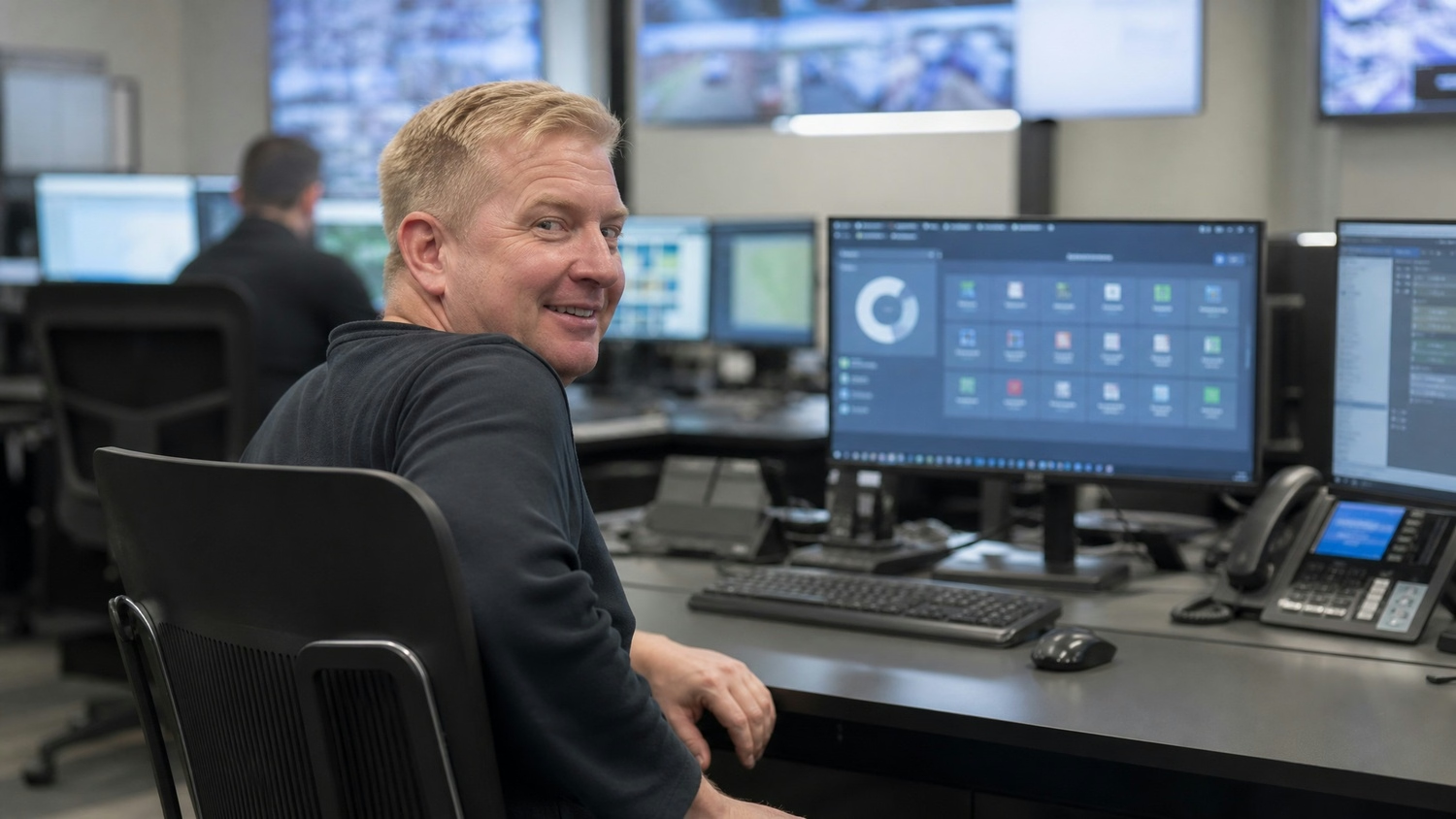
Key steps for effective monitor and security monitoring
To get the most out of 24/7 security monitoring, it’s important to follow a few proven steps. Here are the essentials every business should consider:
Step 1: Assess your risks
Start by identifying what you need to protect. This could be physical assets, sensitive information, or both. Understanding your risks helps you choose the right monitoring service and alarm system for your needs.
Step 2: Choose the right alarm system
Not all alarm systems are created equal. Look for one that integrates with your monitoring centre and supports real-time alerts. The best systems are easy to use and can be customised for your business.
Step 3: Connect to a professional monitoring centre
A monitoring centre is the heart of 24/7 security monitoring. Make sure your system is linked to a team that can respond quickly to any alert, day or night.
Step 4: Set up threat monitoring services
Threat monitoring services go beyond basic alarm triggers. They watch for unusual patterns, failed access attempts, and other signs of trouble. This proactive approach helps stop incidents before they escalate.
Step 5: Regularly test and maintain your security system
Even the best systems need regular checks. Schedule routine tests of your sensors, alarms, and CCTV to make sure everything is working as it should. Maintenance helps prevent false alarms and missed alerts.
Step 6: Train your staff
Everyone in your business should know how the security system works and what to do in an emergency. Simple training can make a big difference in response times and overall safety.
Essential features of a strong monitoring service
A reliable 24/7 security monitoring setup should include:
- Real-time alerts for any suspicious activity or sensor trigger
- Integration with CCTV and access control systems
- Professional monitoring centre support for instant response
- Customisable alarm settings for different areas or times
- Detailed reporting and audit trails for compliance and review
- Easy-to-use interfaces for quick system checks and updates
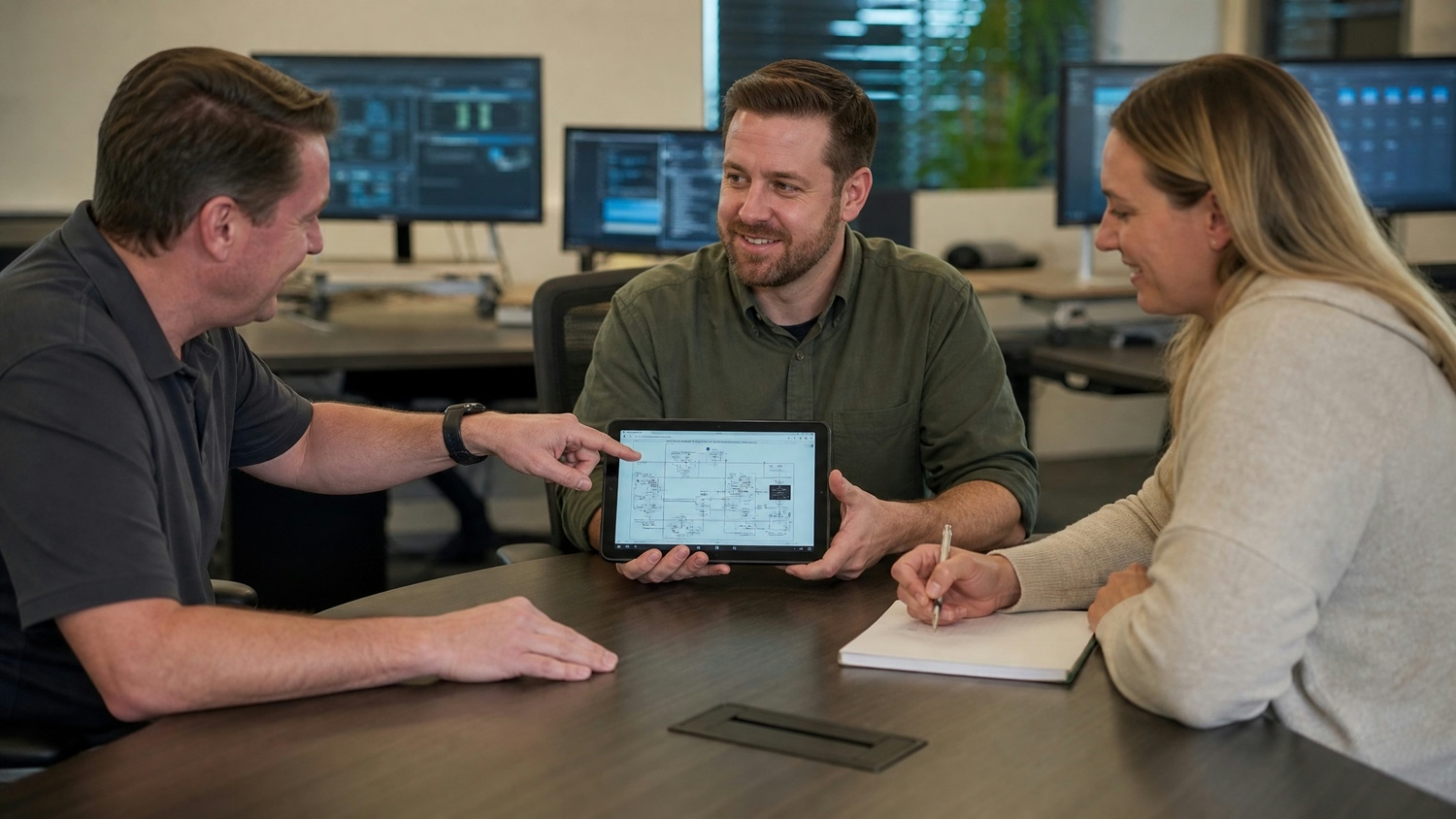
The role of alarm and security system integration
A modern security system is more than just a collection of devices. Integration is key. When your alarm system, CCTV, and access control work together, you get a complete view of your business security. This means fewer blind spots and faster response times.
For example, if a sensor is triggered after hours, the monitoring centre can instantly check CCTV footage and decide whether to send an alert or call emergency services. This reduces false alarms and ensures real threats are dealt with quickly. Integrated systems also make it easier to manage security as your business grows, keeping everything connected and under control.
Strategies for choosing the right monitoring service
Selecting the best monitoring service for your business involves several important steps. Here’s how to make a smart choice:
Strategy 1: Evaluate your business needs
Think about your size, location, and hours of operation. A business open late or with multiple sites may need more advanced monitoring features.
Strategy 2: Check for grade A1 security standards
Look for providers that meet grade A1 or grade A1 security standards. These are recognised benchmarks for reliability and response times in electronic security.
Strategy 3: Review monitoring centre capabilities
Ask about the monitoring centre’s technology and response procedures. A good centre should offer real-time monitoring, fast alert handling, and backup systems in case of outages.
Strategy 4: Compare security solutions and pricing
Not all security solutions are priced the same. Compare what’s included—such as threat monitoring services, alarm response, and reporting—so you know you’re getting value for money.
Strategy 5: Ask about scalability
Your needs may change as your business grows. Choose a monitoring service that can scale up or down easily, adding new devices or locations without hassle.
Strategy 6: Check support and maintenance options
Ongoing support is crucial. Make sure your provider offers regular maintenance, system updates, and help when you need it.
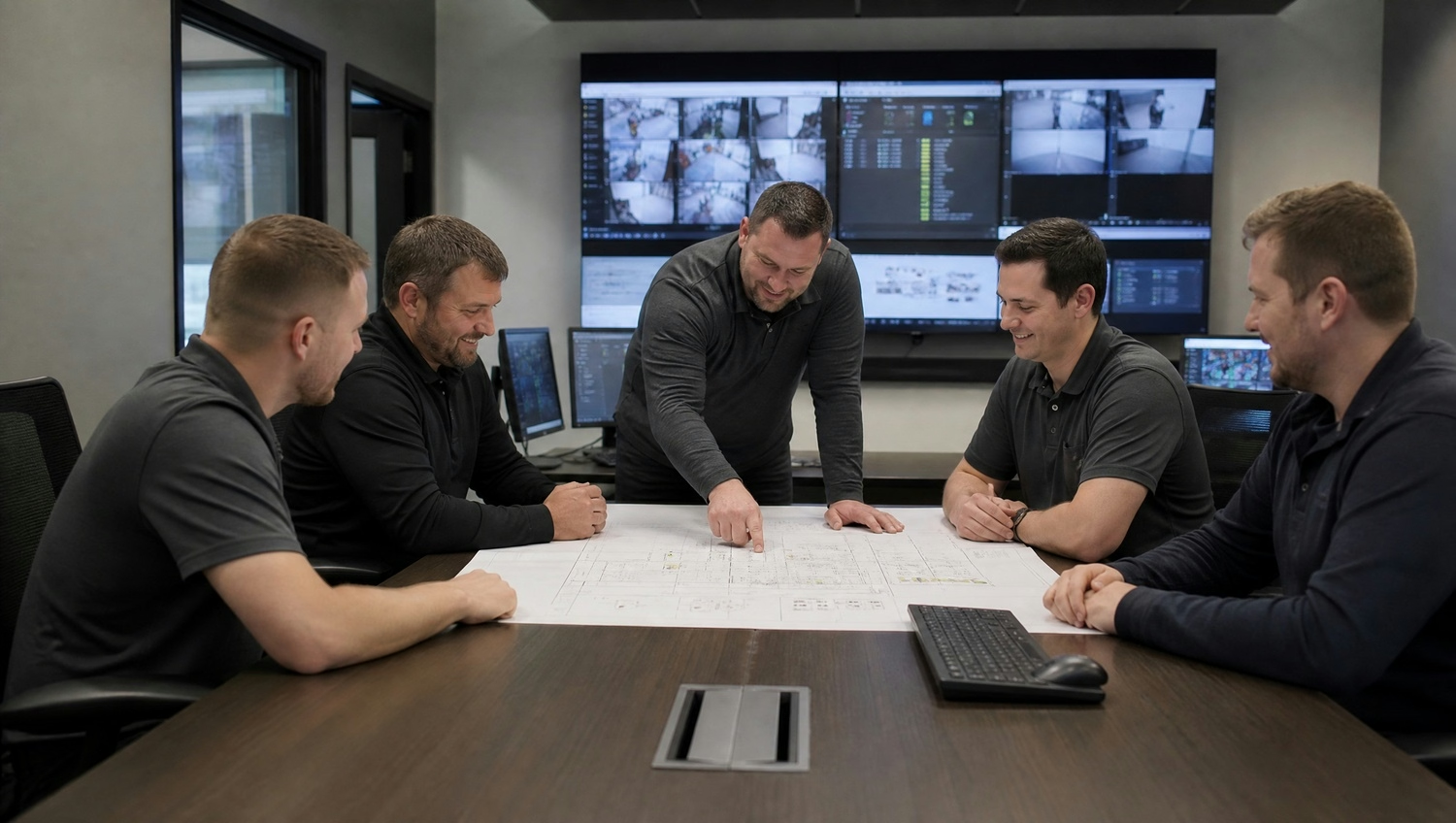
Practical considerations for implementing 24/7 security monitoring
Rolling out 24/7 security monitoring can seem complex, but breaking it down into steps makes it manageable. Start by mapping out your premises and identifying all entry points, sensitive areas, and valuable assets. This helps you decide where to place sensors, alarms, and CCTV cameras for maximum coverage.
Next, work with your monitoring service provider to set up the system. Make sure all devices are connected to the monitoring centre and tested for real-time response. It’s also important to review your security policies and train staff on what to do if an alert is triggered. Regular reviews and updates will keep your system effective as your business evolves.
Best practices for maintaining business security
Keeping your security system effective over time requires ongoing attention. Here are some best practices to follow:
- Schedule regular system tests and maintenance checks
- Update access control lists as staff roles change
- Review CCTV footage periodically for unusual activity
- Respond quickly to any alert, even if it seems minor
- Keep your monitoring service provider informed of any changes to your premises or operations
- Document all incidents and follow up with improvements
Staying proactive with these habits ensures your 24/7 security monitoring remains reliable and effective.
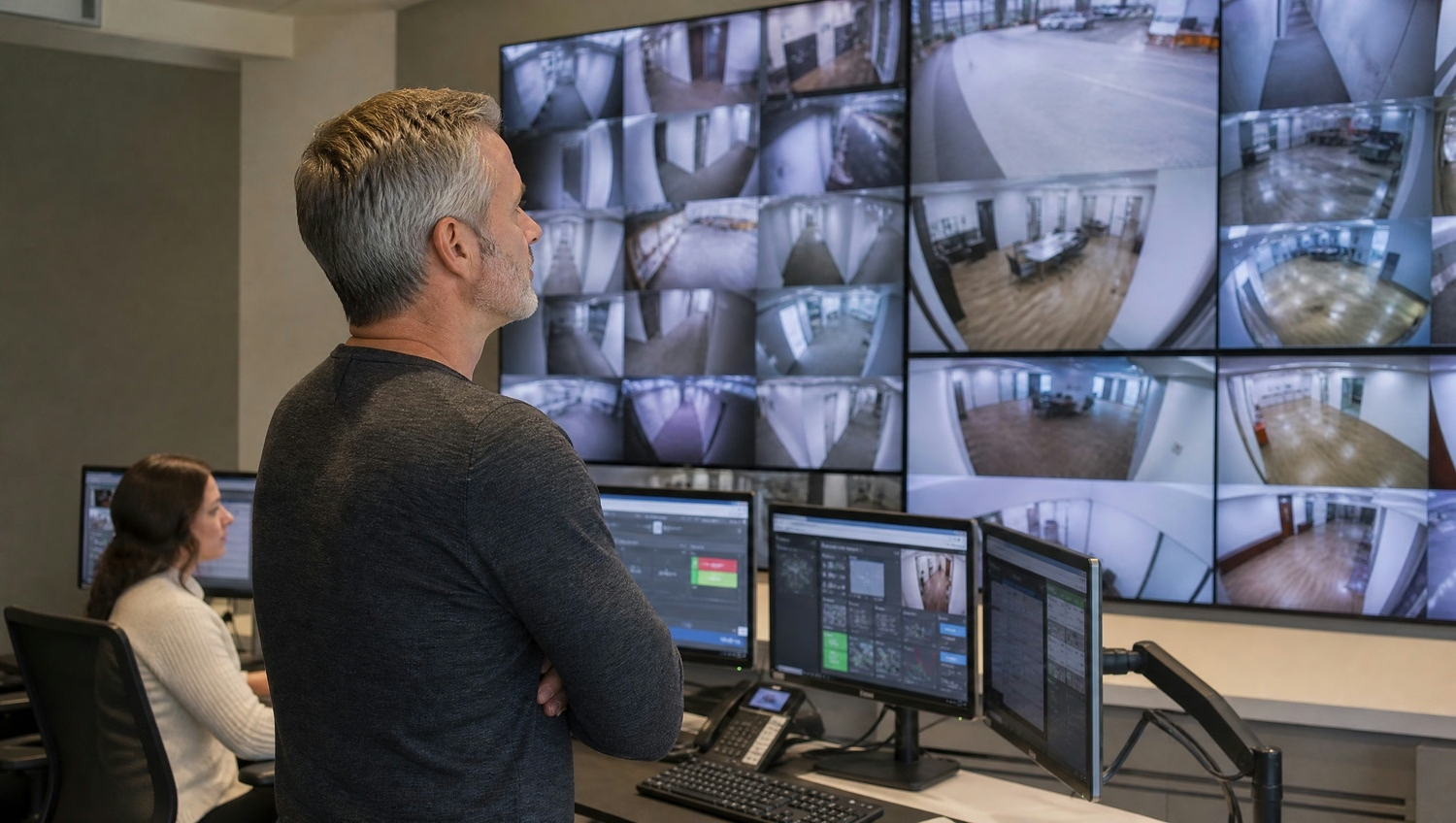
How Acclaim IT can help with 24/7 security monitoring
Are you a business with 20 to 100 users looking for a reliable way to keep your premises safe? Growing businesses often find that their old alarm system or basic monitoring service just can’t keep up with new risks and requirements.
We understand the challenges of managing security as your team and assets expand. Our team at Acclaim IT offers tailored 24/7 security monitoring solutions, including threat monitoring services, advanced integration, and responsive support. Contact us to discuss how we can help you protect what matters most.
[.c-button-wrap][.c-button-main]Contact Us[.c-button-main][.c-button-wrap]
Frequently asked questions
How does a monitor help improve business security?
A monitor is central to keeping an eye on your premises, especially when paired with CCTV and real-time alert systems. By constantly checking for unusual activity, it helps you respond quickly to any issues.
With the right monitoring service, you get peace of mind knowing that every sensor and alarm is being watched, even outside business hours. This reduces the risk of missed incidents and helps maintain a secure environment.
What makes security monitoring different from a basic alarm system?
Security monitoring involves more than just sounding an alarm when something goes wrong. It connects your alarm system to a monitoring centre, where trained staff can verify alerts and take action.
This approach uses access control and real-time data to ensure threats are managed quickly and effectively. It’s a step above relying on alarms alone, giving you a more complete security solution.
How does an alarm system integrate with other security solutions?
An alarm system works best when it’s part of a larger security solution, including CCTV, sensors, and access control. Integration allows for faster responses and better coverage.
When a sensor is triggered, the system can check CCTV footage and send an alert to the monitoring centre. This layered approach helps reduce false alarms and improves overall safety.
What is the role of a monitoring centre in threat detection?
A monitoring centre acts as the nerve centre for your security system. It receives alerts from all connected devices and decides the best response.
This includes contacting you, dispatching security, or alerting emergency services. By using real-time monitoring and advanced threat detection, the centre helps keep your business safe around the clock.
How do electronic security and Grade A1 standards affect my business?
Electronic security covers everything from alarms to CCTV and access control. Grade A1 and Grade A1 security standards ensure your system meets high benchmarks for reliability and response.
Choosing a provider that follows these standards means you get a system that’s tested and trusted. This is especially important for businesses with sensitive data or valuable assets.
What should I look for to find the right security solution?
Finding the right security solution means checking for features like real-time alerts, integration with other systems, and strong support from your provider. Look for a service that offers regular maintenance and clear reporting.
Consider your specific needs, such as the size of your premises and the level of threat monitoring services required. The right security solution should grow with your business and adapt to new challenges.