Virtual CIO: Strategic IT Leadership for Growing Businesses
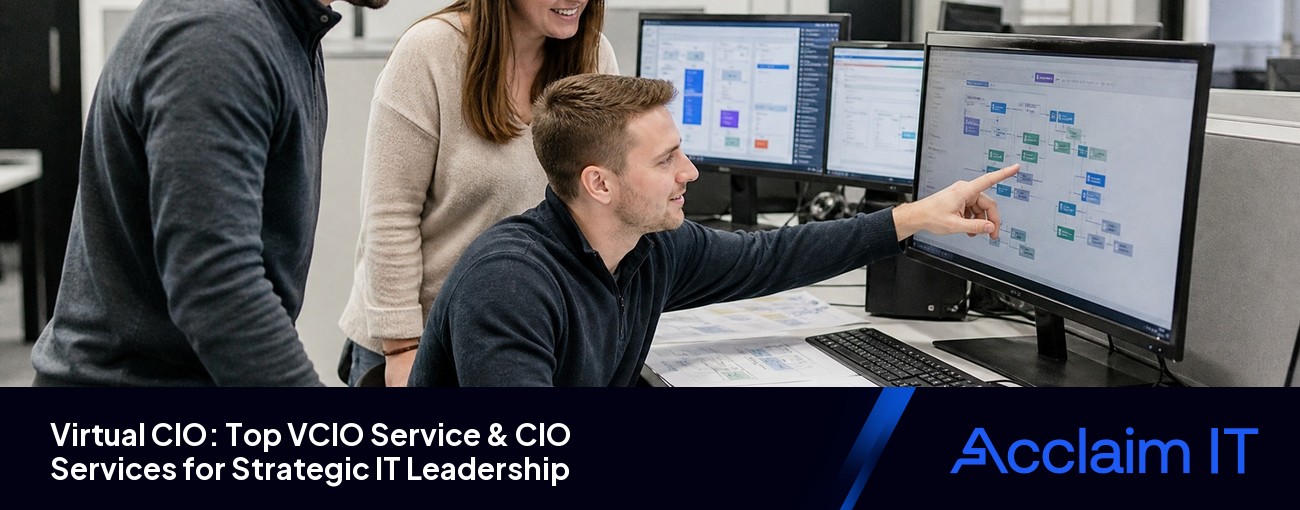

What we keep hearing from businesses is that many teams think having a tech expert on call is enough, but they often miss out on real IT leadership. The most common mistake is treating a virtual CIO as just another IT support role, rather than a strategic partner who can help shape your business direction. "A virtual CIO gives your organisation access to high-level IT strategy without the cost of a full-time executive." Industry research shows that businesses using a virtual CIO are more likely to meet their business goals and stay ahead of technology changes.
A virtual CIO (vCIO) is an experienced technology leader who works with your business on a part-time or outsourced basis. Instead of hiring a full-time chief information officer, you get expert advice, planning, and support tailored to your needs. This approach is cost-effective and helps you build a technology roadmap that matches your business objectives. With a virtual CIO, you can improve productivity, manage risk, and guide your digital transformation without the overhead of a permanent executive.
Understanding the role of a virtual CIO
Many businesses still wonder what makes a virtual CIO different from other IT roles. A virtual CIO is more than just a consultant—they act as a trusted advisor, helping you plan, prioritise, and execute your technology strategy. Their main job is to align IT with your business needs, making sure every tech decision supports your long-term goals. This includes everything from risk management to digital transformation, all while keeping costs in check.
A good virtual CIO will also help you build a strong technology roadmap. This means looking ahead, planning for growth, and making sure your systems are secure and reliable. By focusing on your business objectives, a virtual CIO can help your organisation get the most out of your technology investments and avoid common pitfalls.

Key strategies for getting the most from your vCIO
Getting the most value from a vCIO means knowing what to expect and how to work together. Here are some key strategies every business should follow:
Strategy #1: Set clear business goals
Start by defining what you want to achieve. A vCIO can only help if they know your business objectives. Make sure you share your short-term and long-term goals so they can build a technology roadmap that fits.
Strategy #2: Prioritise cybersecurity
Cybersecurity is a top concern for every organisation. Your vCIO should regularly review your systems, recommend improvements, and ensure your business is protected against threats. This helps you avoid costly data breaches and downtime.
Strategy #3: Review and update your technology roadmap
Technology changes quickly. A vCIO will help you stay current by reviewing your roadmap regularly and making adjustments as needed. This keeps your business competitive and ready for new opportunities.
Strategy #4: Communicate openly with your vCIO service
Open communication is key. Make sure you have regular check-ins with your vCIO service to discuss progress, challenges, and any changes in your business needs. This keeps everyone on the same page.
Strategy #5: Focus on cost-effective solutions
A vCIO should help you find the right balance between performance and cost. They can recommend solutions that improve productivity without overspending, ensuring you get value for every dollar spent.
Strategy #6: Plan for digital transformation
Digital transformation is more than just new software. Your vCIO can guide you through the process, helping you adopt new tools and processes that support growth and efficiency.
Strategy #7: Monitor and manage risk
Risk management is a big part of the vCIO role. They should help you identify potential risks, develop plans to address them, and make sure your business stays resilient.
Top benefits of working with a virtual CIO
Choosing a virtual CIO brings several important advantages:
- Access to high-level IT expertise without hiring a full-time executive
- A technology roadmap that matches your business goals
- Improved cybersecurity and risk management
- Cost-effective planning and budgeting for IT investments
- Support for digital transformation and growth
- Increased productivity through better use of technology

How vCIO service supports your organisation’s growth
A vCIO service does more than just keep your systems running. They help your organisation grow by making sure your technology supports your business strategy. This means looking at the big picture—how IT can help you reach new markets, serve customers better, and stay ahead of competitors.
By working closely with your team, a vCIO can spot opportunities for improvement and help you use technology to drive growth. They also make sure your IT investments are aligned with your business objectives, so you get the best return for your money. In short, a vCIO service is a partner in your success, helping you navigate the challenges of modern business.
Essential steps for choosing the right CIO services
Choosing the right CIO services is important for long-term success. Here are the essential steps to follow:
Step #1: Assess your business needs
Before you start, take a close look at your current IT setup and business goals. This helps you understand what kind of support you need from a CIO service.
Step #2: Look for strategic IT leadership
A good CIO service offers more than technical support—they provide strategic IT leadership. This means helping you plan, prioritise, and make decisions that support your business objectives.
Step #3: Evaluate their experience with virtual CIO services
Experience matters. Choose a provider with a proven track record in virtual CIO services, especially with businesses similar to yours.
Step #4: Check their approach to risk management
Risk management should be a core part of their offering. Make sure they have clear processes for identifying, assessing, and managing risks.
Step #5: Review their communication style
Good communication is essential. Your CIO service should be easy to reach, responsive, and clear in their advice.
Step #6: Understand their pricing and value
Look for transparent, cost-effective pricing. Make sure you understand what’s included and how their services will help you achieve your business objectives.
Step #7: Ask about ongoing support
Your needs will change over time. Choose a CIO service that offers ongoing support and regular reviews to keep your technology on track.

Practical steps for implementing virtual CIO services
Implementing virtual CIO services in your business is straightforward when you follow a clear plan. Start by identifying your key business objectives and sharing them with your vCIO. This helps them understand your priorities and develop a technology roadmap that fits your needs.
Next, set up regular meetings to review progress, discuss challenges, and adjust your strategy as needed. Make sure your team knows how to reach your vCIO and feels comfortable asking questions or raising concerns. By working together, you can make the most of your outsourced CIO and ensure your technology supports your business growth.
Best practices for working with a virtual chief information officer
To get the best results from your virtual chief information officer, keep these best practices in mind:
- Set clear expectations for roles and responsibilities
- Communicate regularly and openly about business changes
- Prioritise security and risk management in every decision
- Review your technology roadmap at least twice a year
- Use data and feedback to measure progress and adjust plans
- Encourage collaboration between your vCIO and other leaders
Following these steps will help you build a strong partnership and get the most value from your virtual CIO.

How Acclaim IT can help with virtual CIO
Are you a business with 20 to 100 users looking for expert IT leadership without the cost of a full-time executive? Growing businesses often need guidance to align technology with business goals, but hiring a chief information officer can be expensive.
Our team at Acclaim IT specialises in providing virtual CIO services tailored to your needs. We help you build a technology roadmap, manage risk, and support your digital transformation. If you want to drive growth and make smarter technology decisions, contact us today.
Frequently asked questions
What is the difference between a vCIO and a traditional CIO?
A vCIO is an outsourced CIO who works with your organisation on a flexible basis, while a traditional CIO is a full-time executive. The vCIO model is cost-effective and gives you access to strategic IT leadership without the overhead of a permanent hire. This approach is ideal for businesses that need expert guidance but don’t require a full-time chief information officer.
How can a virtual CIO help with our technology roadmap?
A virtual CIO will assess your current systems and help you create a technology roadmap that supports your business objectives. They focus on aligning IT investments with your business goals, ensuring you stay competitive. By reviewing your plans regularly, they help you adapt to new opportunities and challenges.
What should we expect from a vCIO service?
A vCIO service provides ongoing support, advice, and planning for your IT needs. You can expect regular meetings, clear communication, and proactive recommendations. Their main goal is to help your organisation use technology to drive growth and improve productivity.
How do CIO services support risk management and cybersecurity?
CIO services include risk management and cybersecurity as core responsibilities. They identify potential threats, develop plans to address them, and make sure your systems are secure. This helps protect your business from data breaches and keeps your operations running smoothly.
What makes virtual CIO services cost-effective for small and midsize businesses?
Virtual CIO services allow you to access high-level IT expertise without the cost of a full-time executive. This makes them a cost-effective choice for small and midsize businesses. You get the benefits of a chief information officer, including strategic planning and risk management, at a fraction of the cost.
How does strategic IT leadership from a virtual chief information officer drive growth?
Strategic IT leadership from a virtual chief information officer helps your business use technology to reach new markets and improve efficiency. By focusing on your business objectives, they ensure your IT investments support growth and long-term success. Their guidance helps you make smarter decisions and stay ahead of competitors.